
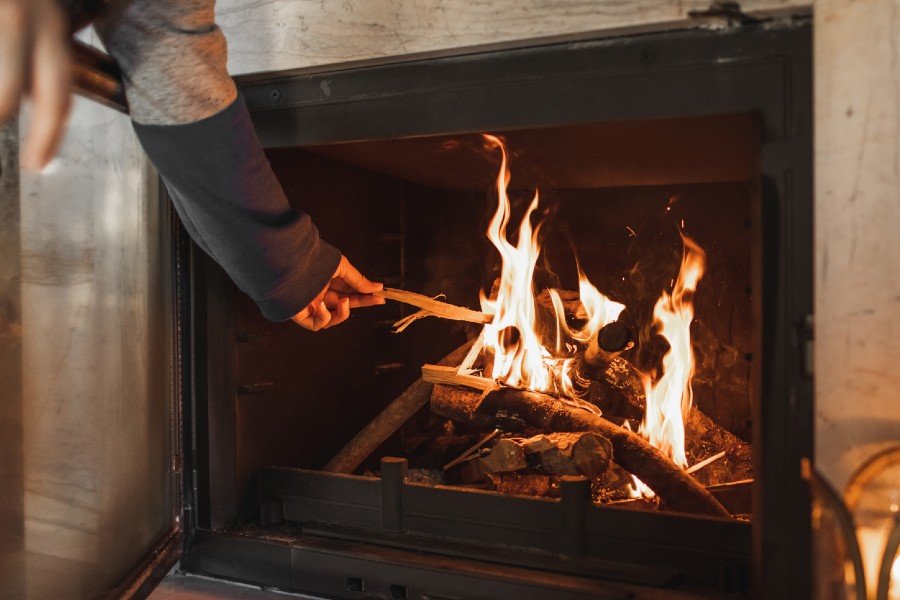
Winter can bring cooler temperatures, shorter days, and increased use of heating appliances. For homes, offices, hotels, schools, hospitals, restaurants, factories, and other buildings, this seasonal change can also introduce additional fire risks.
In Pakistan, winter safety deserves particular attention because heating practices and building conditions vary considerably between regions. People may use gas heaters, electric heaters, wood or coal fires, hot plates, generators, and other equipment to stay warm. Poor ventilation, overloaded electrical circuits, damaged wiring, and unsafe placement of heating equipment can increase the potential for a fire.
The National Disaster Management Authority (NDMA) maintains winter preparedness resources and has also published fire-safety guidance. Its current guidelines library includes an Urban Fire Safety Guidelines document published in March 2026.
A good winter fire-safety plan is therefore not simply an expense. It is an investment in protecting people, property, equipment, and business continuity.
Why Winter Can Increase Fire Risks
During colder months, buildings often operate differently.
Heating appliances may remain switched on for extended periods. Doors and windows may remain closed, reducing natural ventilation. Electrical systems can experience greater demand, while portable heaters may be positioned close to furniture, curtains, bedding, or other combustible materials.
Common winter-related hazards include:
- Gas heaters
- Electric heaters
- Wood and coal-burning stoves
- Electrical extension cords
- Overloaded sockets
- Damaged electrical wiring
- Candles
- Kitchen appliances
- Generators
- Fuel storage
- Combustible materials placed near heaters
These hazards do not automatically cause fires. The risk increases when equipment is defective, improperly installed, poorly maintained, or used incorrectly.
Gas Heater Safety
Gas heaters are widely used in colder areas of Pakistan.
The primary concerns are not limited to fire. Poorly maintained or improperly ventilated fuel-burning appliances can also create dangerous indoor conditions.
Before using a gas heater:
- Check hoses and connections for visible damage.
- Keep combustible materials away from the appliance.
- Follow the manufacturer’s installation instructions.
- Ensure appropriate ventilation.
- Do not modify safety controls.
- Have suspected leaks investigated promptly.
- Keep children away from operating heaters.
- Avoid using damaged appliances.
A heater should never be treated as safe simply because it has worked without problems in previous winters.
Regular inspection is important, particularly before seasonal use.
Electric Heater Safety
Electric heaters can become a fire risk when connected to unsuitable circuits or placed too close to combustible materials.
Good practices include:
- Place the heater on a stable surface.
- Keep curtains, bedding, clothing, furniture, and paper away from it.
- Avoid covering the heater.
- Use the manufacturer’s recommended electrical connection.
- Inspect the plug and cable before use.
- Do not use damaged extension cords.
- Turn the appliance off when it is no longer required.
- Keep portable heaters away from wet areas unless specifically designed for them.
One of the most important rules is simple: do not use electrical equipment that shows signs of damage or overheating.
The Problem With Overloaded Electrical Circuits
Winter can increase electricity consumption because heaters, water heaters, irons, cooking appliances, and other devices may operate simultaneously.
Connecting several high-power appliances to one socket or extension board can create excessive electrical loading.
Warning signs may include:
- Warm or discoloured sockets
- Burning smells
- Flickering lights
- Sparking
- Repeated circuit-breaker trips
- Melted plugs
- Damaged insulation
These signs should not be ignored.
Electrical faults are particularly concerning because a fire may begin inside a wall, appliance, distribution board, or concealed electrical space before people notice visible flames.
Why a Fire Alarm System Matters During Winter
A fire alarm system in Pakistan can provide an important early-warning layer when a fire develops.
Detection systems may use devices such as:
- Smoke detectors
- Heat detectors
- Manual call points
- Alarm sounders
- Visual notification devices
- Fire alarm control panels
The appropriate system depends on the building, occupancy, environmental conditions, and fire risks.
Early warning matters because people may be asleep, working in another part of a building, or unaware that a fire has started.
A properly designed alarm system can alert occupants so they can begin evacuation and emergency response procedures.
However, an alarm does not replace safe heating practices, electrical maintenance, firefighting equipment, or an evacuation plan. It is one component of a broader fire protection strategy.
The Building Code of Pakistan – Fire Safety Provisions 2016 includes provisions concerning fire detection and alarm systems, life safety, fire protection, and means of egress. PEC lists the code among its building codes and standards.
Keep Smoke and Heat Detectors Clear
Installing detectors is only the first step.
During winter, detectors can be affected by environmental conditions, dust, construction work, or inappropriate placement.
Building owners and facility managers should ensure that:
- Detectors are not covered.
- Devices are not painted over.
- Equipment remains accessible for inspection.
- Fault indicators are investigated.
- Batteries or backup power are maintained where applicable.
- Testing is performed according to the system manufacturer’s requirements.
- Changes to room layouts do not compromise coverage.
A detector that has been disconnected or neglected cannot provide reliable warning.
Don’t Forget About Fire Extinguishers
Fire extinguishers are another important layer of protection.
The correct extinguisher depends on the type of fire that may occur.
Potential hazards can include:
- Electrical equipment
- Cooking oils
- Paper and textiles
- Flammable liquids
- Ordinary combustible materials
Extinguishers should be:
- Suitable for the identified hazard
- Easily accessible
- Clearly marked
- Properly mounted where appropriate
- Inspected and maintained
- Unobstructed
People should also understand that extinguishers are intended for appropriate situations. If a fire is growing rapidly, producing heavy smoke, or blocking the escape route, evacuation should take priority.
Winter Fire Risks in Homes
Homes can contain several different ignition sources.
A winter household may have:
- Gas heating
- Electric heating
- Cooking equipment
- Electrical chargers
- Candles
- Blankets and clothing
- Portable generators
- Fuel containers
A simple home inspection can identify many problems before winter becomes severe.
Home winter checklist
- Test smoke alarms.
- Check electrical cables.
- Inspect heaters.
- Keep heaters away from curtains and furniture.
- Keep exits clear.
- Avoid overloaded sockets.
- Store fuels safely.
- Keep matches and lighters away from children.
- Prepare a family escape plan.
- Make sure everyone knows how to call emergency services.
Winter Fire Safety in Offices
Offices may appear relatively low-risk, but winter can introduce additional hazards.
Employees may bring portable heaters into workspaces, use extension cords, or connect multiple appliances to existing sockets.
Office kitchens may also contain:
- Microwaves
- Electric kettles
- Coffee machines
- Refrigerators
- Cooking equipment
Facility managers should inspect electrical equipment and make sure heating devices do not obstruct corridors or exits.
Fire doors, emergency lighting, exit signs, alarms, and extinguishers should also remain accessible.
Restaurants and Commercial Kitchens
Winter does not eliminate normal cooking-related hazards.
In fact, commercial kitchens may have long operating hours and multiple heat-producing appliances.
Important controls include:
- Regular cleaning
- Proper maintenance of cooking equipment
- Safe electrical connections
- Appropriate extinguishing equipment
- Clear access to exits
- Staff training
- Alarm and detection systems
- Appropriate ventilation
Grease and oil fires require suitable response equipment. Water should not be used on a cooking-oil fire because it can cause dangerous splashing and spread.
Generators and Winter Fire Risk
Power interruptions can lead people to use generators more frequently.
Generators introduce risks associated with:
- Fuel
- Hot surfaces
- Electrical connections
- Exhaust
- Ventilation
- Improper installation
Generators should be operated according to manufacturer requirements and positioned appropriately for safe operation.
Fuel should be stored safely and away from ignition sources.
Generators should never be operated in enclosed areas where exhaust gases can accumulate.
Candles and Open Flames
During winter, candles may be used for decoration, religious observance, power outages, or creating a warm atmosphere.
Open flames require careful management.
Never leave a candle burning unattended.
Keep candles away from:
- Curtains
- Bedding
- Paper
- Decorations
- Clothing
- Children
- Pets
A stable holder should be used, and candles should be extinguished before leaving the room or going to sleep.
Fire Safety in Apartments and High-Rise Buildings
Apartment buildings require special attention because one fire can affect multiple households.
Residents should know:
- Where the nearest exits are
- Which stairway to use
- Where the assembly area is
- How the building alarm operates
- Whether lifts should be avoided during a fire
- How to report a fire
Building management should pay particular attention to common areas, electrical rooms, service shafts, fire doors, stairways, emergency lighting, and fire protection equipment.
Keeping corridors and stairways free from storage is essential because these areas may form part of the evacuation route.
Winter Fire Safety for Schools
Schools have a responsibility to protect children who may not respond to an emergency independently.
Winter preparations should include:
- Inspection of heaters
- Electrical safety checks
- Accessible exits
- Functional alarms
- Clear evacuation routes
- Staff training
- Emergency drills
- Designated assembly areas
Teachers and staff should understand their roles during an evacuation.
Students should be taught simple, age-appropriate fire safety procedures without creating unnecessary fear.
Hospitals Need Additional Planning
Hospitals present unique challenges because some patients may have limited mobility or require medical equipment.
Winter heating and electrical demands should therefore be incorporated into the facility’s fire risk assessment.
Important areas may include:
- Patient rooms
- Intensive-care areas
- Electrical rooms
- Kitchens
- Laboratories
- Oxygen-related areas
- Generator rooms
- Storage spaces
Detection, alarms, compartmentation, emergency power, evacuation procedures, and staff training need to work together.
Fire Doors and Escape Routes
A fire alarm is useful only when people have a safe way to leave.
Building owners should ensure that escape routes remain:
- Clearly identified
- Unobstructed
- Adequately illuminated where required
- Accessible
- Properly maintained
Fire doors should not be wedged permanently open.
The Building Code of Pakistan’s fire safety provisions address means of egress and life-safety considerations, emphasizing the importance of suitable escape arrangements.
Don’t Ignore Maintenance
Winter fire safety should begin before heating equipment is heavily used.
A seasonal maintenance inspection can identify:
- Damaged cables
- Faulty plugs
- Defective heaters
- Blocked exits
- Expired extinguishers
- Alarm faults
- Damaged fire doors
- Poor housekeeping
- Unsafe fuel storage
Maintenance should also be documented, especially in commercial and institutional buildings.
A safety system that exists on paper but is not maintained may not perform as expected during an emergency.
Winter Fire Safety Checklist for Businesses
Before winter operations increase, facility managers can review the following:
Heating
- [ ] Heaters inspected
- [ ] Gas connections checked
- [ ] Electrical heaters tested
- [ ] Combustible materials kept away
Electrical
- [ ] Sockets inspected
- [ ] Extension cords checked
- [ ] Overloaded circuits addressed
- [ ] Damaged cables replaced
Fire Protection
- [ ] Fire alarm tested
- [ ] Detectors inspected
- [ ] Extinguishers accessible
- [ ] Fire doors checked
- [ ] Emergency lighting inspected
Evacuation
- [ ] Exit routes clear
- [ ] Exit signs visible
- [ ] Assembly point identified
- [ ] Staff understand evacuation procedures
Training
- [ ] Employees know how to raise an alarm
- [ ] Staff know evacuation procedures
- [ ] Relevant personnel know how to use extinguishers safely
- [ ] Emergency contacts are available
Pakistan’s Fire Safety Framework
Fire safety requirements in Pakistan are not limited to individual appliances.
The Building Code of Pakistan – Fire Safety Provisions 2016 provides provisions concerning fire prevention, life safety, and fire protection for buildings and structures. The code was formally adopted through a government notification in 2016, and PEC continues to list it among its building codes and standards.
NDMA also provides national disaster-preparedness resources, including winter contingency planning and fire-safety guidance. Its 2026 library includes a Winter Contingency Plan covering January to March and current Urban Fire Safety Guidelines.
The exact requirements for a particular property can depend on its occupancy, size, construction, location, use, applicable regulations, and the relevant Authority Having Jurisdiction. Professional assessment is therefore appropriate for commercial, industrial, institutional, and larger residential properties.
Why Winter Fire Safety Is an Investment
Fire safety spending can sometimes be viewed as an unnecessary cost when there is no immediate emergency.
But prevention and preparedness provide value in several ways.
They can help organizations:
- Reduce avoidable hazards
- Identify equipment problems early
- Protect occupants
- Improve emergency preparedness
- Reduce potential property damage
- Protect important equipment
- Support business continuity
- Build a stronger safety culture
The goal is not to install every possible fire protection product.
The goal is to identify the actual hazards and establish suitable layers of protection.
Final Thoughts
Winter fire safety begins with understanding how seasonal changes affect a building.
Heating equipment, electrical loads, generators, candles, cooking appliances, and fuel can all introduce additional hazards. These risks can be reduced through proper maintenance, responsible equipment use, clear escape routes, staff training, and appropriate fire protection systems.
A fire alarm system in Pakistan can provide valuable early warning, but it should form part of a complete safety strategy rather than operate alone.
For homeowners, businesses, schools, hospitals, factories, and other facilities, winter is an excellent time to review fire protection arrangements and correct problems before they become emergencies.
For further information about fire safety systems and solutions, visit .
FAQs
1. Why are winter months associated with increased fire risks?
Winter often means greater use of heaters, electrical appliances, generators, and other heat-producing equipment. Incorrect installation, damaged equipment, overloaded circuits, or placing combustible materials near heat sources can increase fire risk.
2. Is a fire alarm system necessary for winter fire safety?
A suitable fire alarm system can provide early warning when a fire is detected. However, its requirements depend on the building type, occupancy, design, applicable regulations, and risk profile. It should be combined with prevention, evacuation planning, firefighting equipment, and maintenance.
3. How can I make an electric heater safer?
Keep it on a stable surface away from curtains, furniture, clothing, bedding, and other combustible materials. Inspect the cable and plug, avoid unsuitable extension connections, follow the manufacturer’s instructions, and switch the heater off when it is not required.
4. What should businesses check before winter?
Businesses should inspect heating equipment, electrical systems, fire alarms, extinguishers, emergency lighting, fire doors, evacuation routes, fuel storage, and staff preparedness. Problems should be corrected before equipment is used heavily.
5. What should I do if a winter appliance catches fire?
Raise the alarm, keep people away from the danger, and evacuate if necessary. Only attempt to extinguish a small fire if you have the appropriate equipment, know how to use it, and have a clear escape route. Otherwise, leave the area and contact emergency services.